Hala Kaiksow
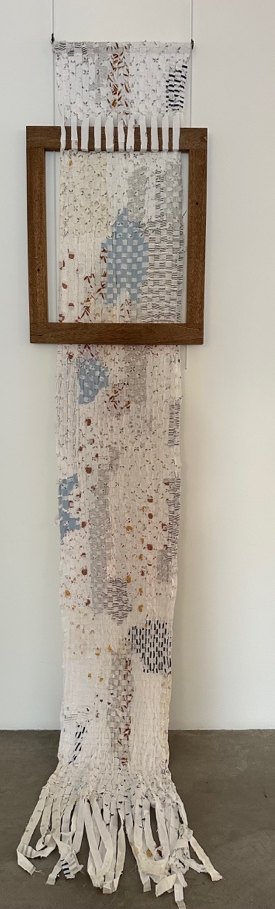
A Mothers Work is Never Done
Repurposed cotton, wood
300 x 68 cm · 2026
Threads of Identity
12 Artists · 30 Works
Enter Exhibition ↓
12 Artists in This Exhibition
A Mothers Work is Never Done
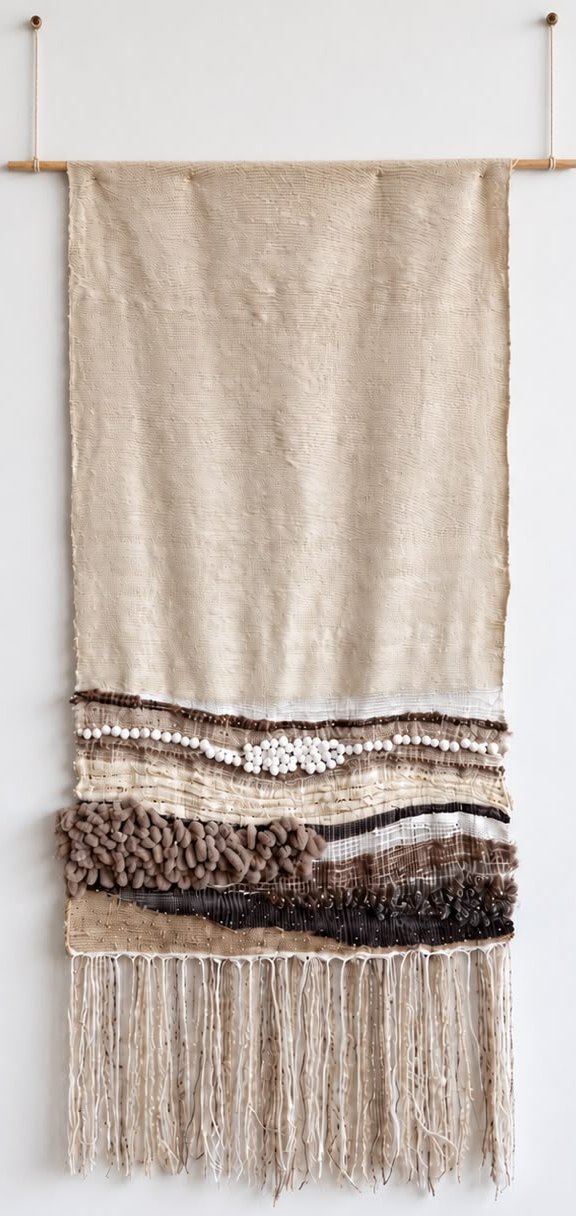
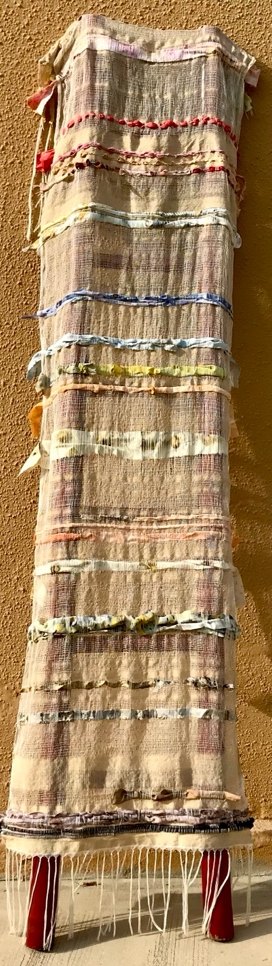
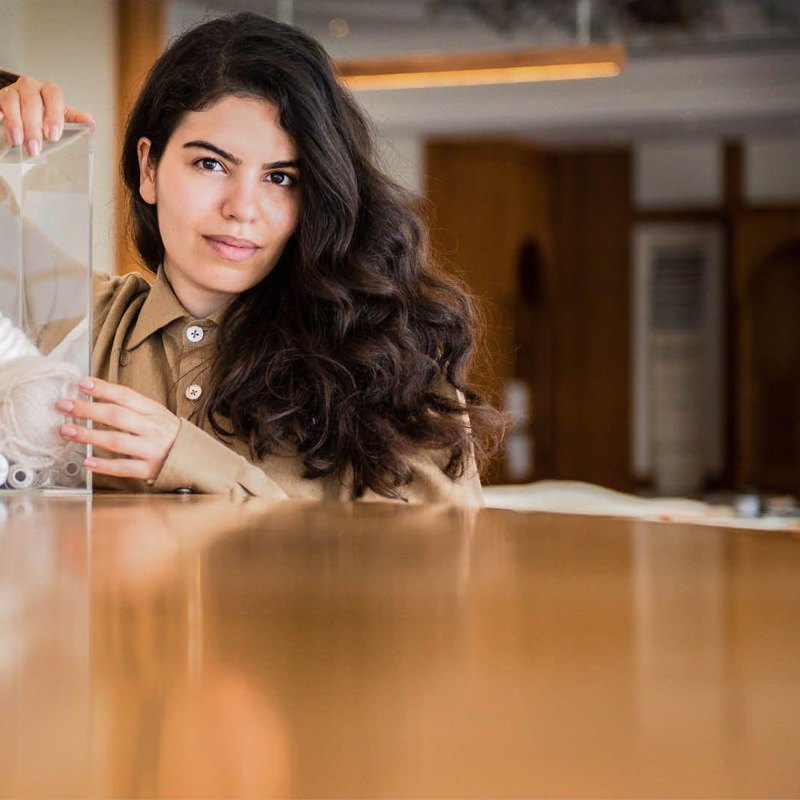
A Mothers Work is Never Done is an exploration into the evolution of a woman's identity in entering motherhood. The subtle changes that occur that rewire our entire existence both mentally and physically. Our once expansive minds are now fully consumed by never ending lists, unfinished thoughts, and invisible burdens that often go unnoticed. In the work I have taken fabric items from my children's lives; that have clothed, protected, and sheltered them, and rewove it into a new
existence. Much like our transformed identities reconstituted from the same cloth but ever changed into an entirely new form.
What the Threads Remember · Woven Horizons
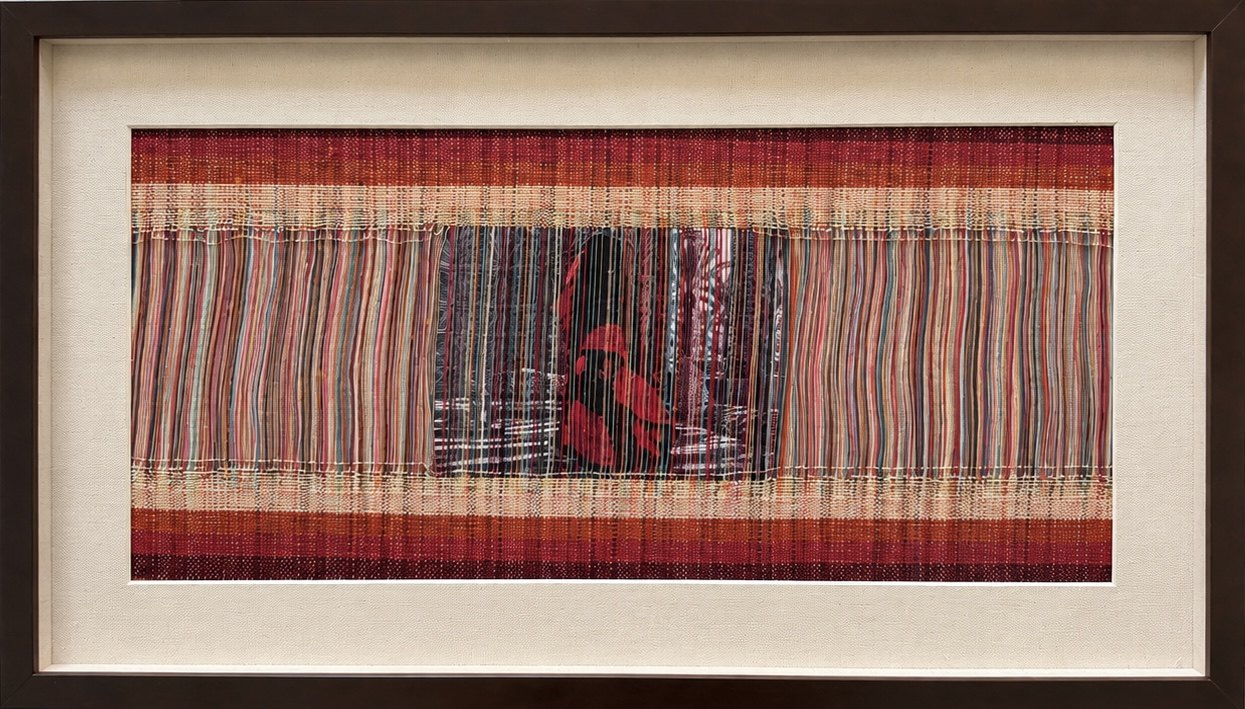
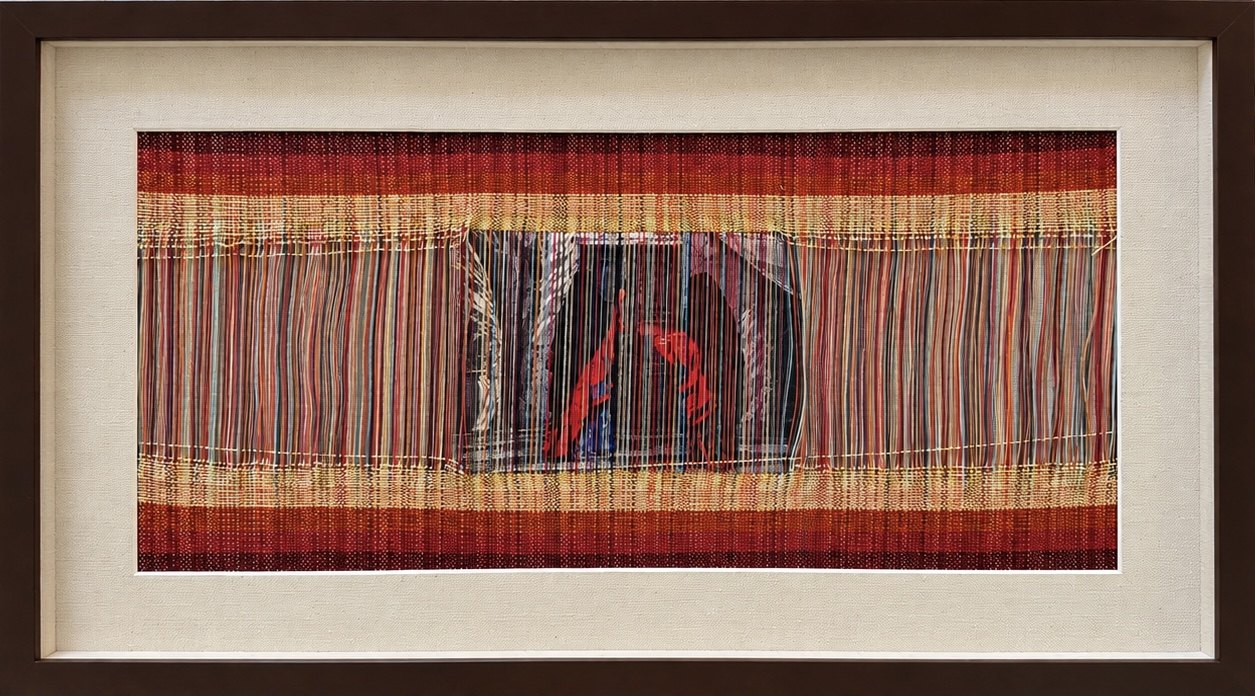
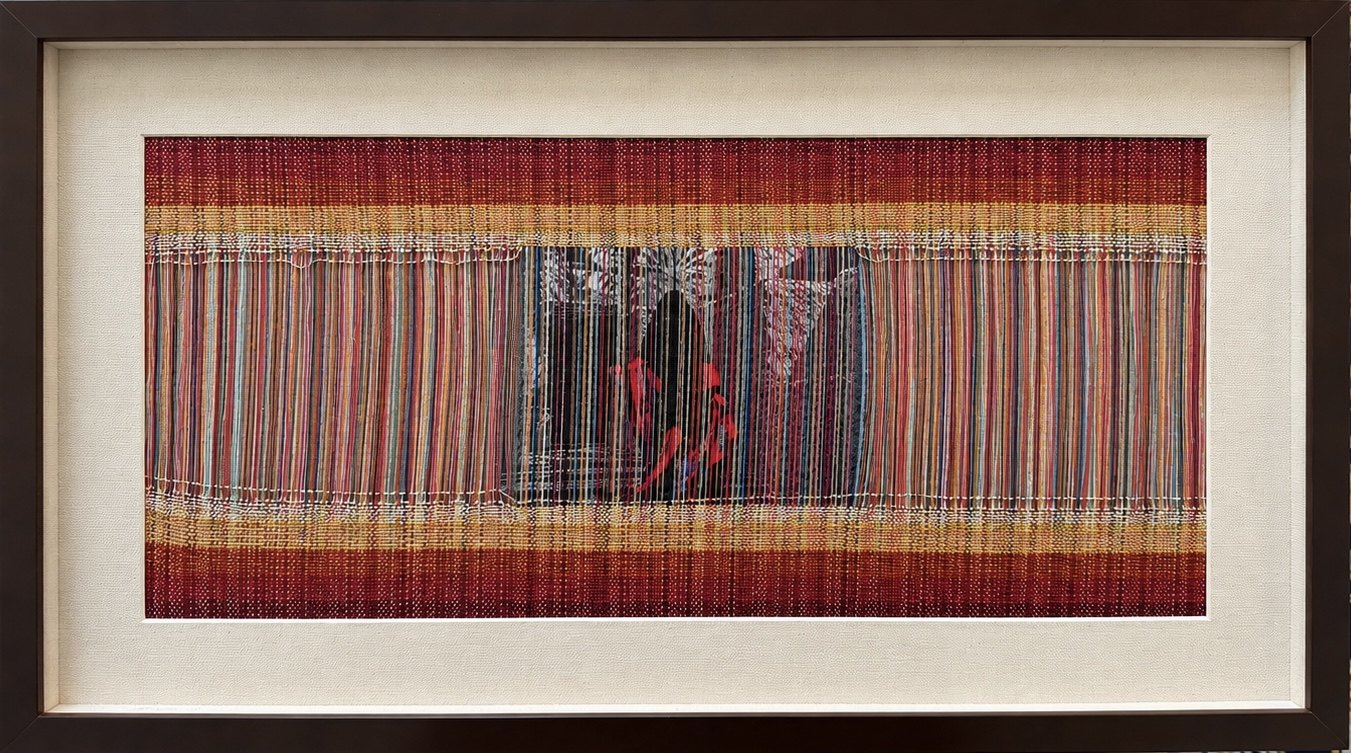
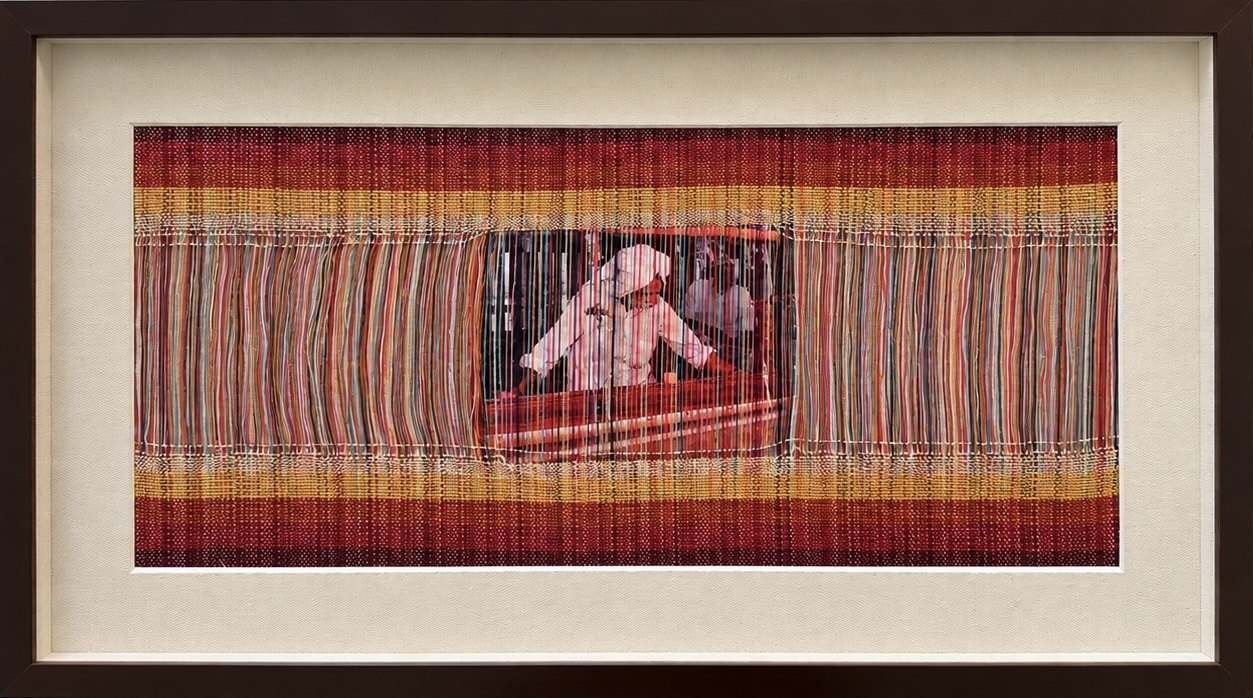
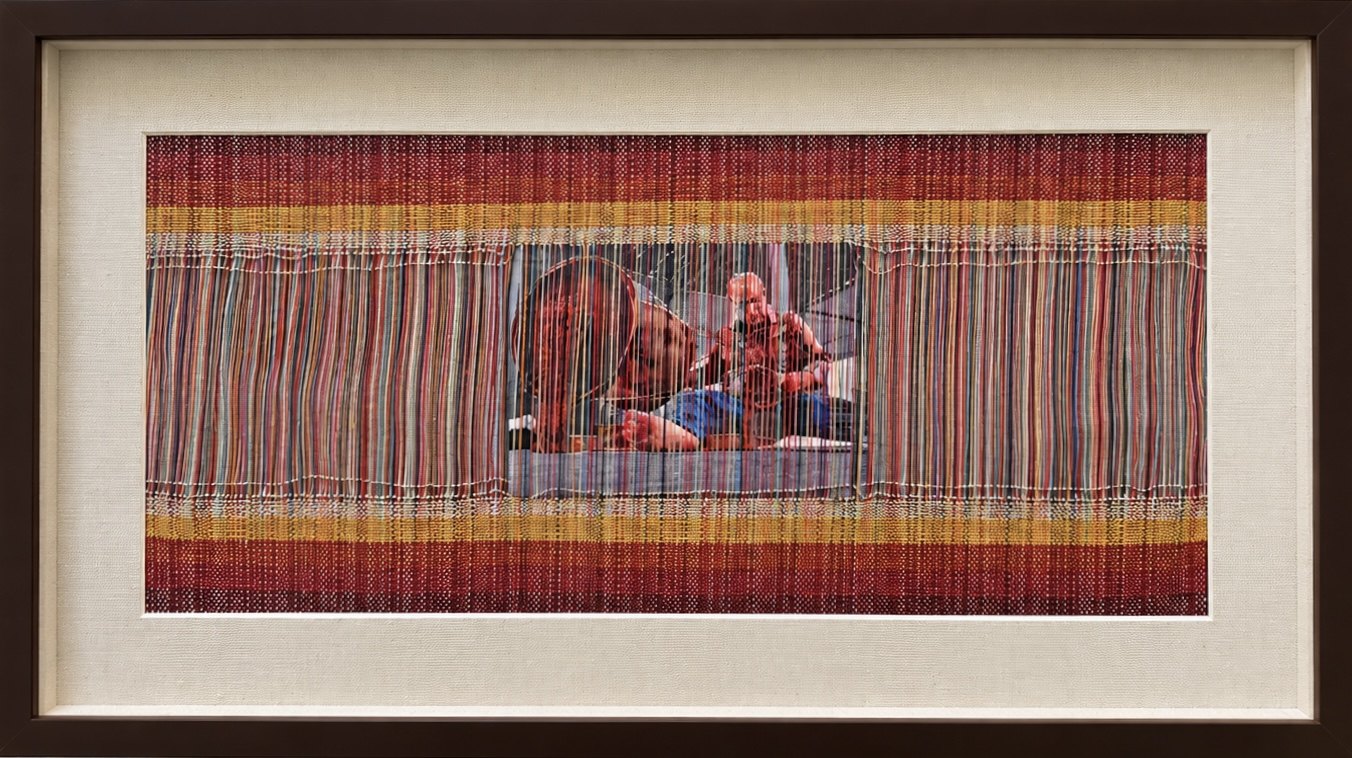
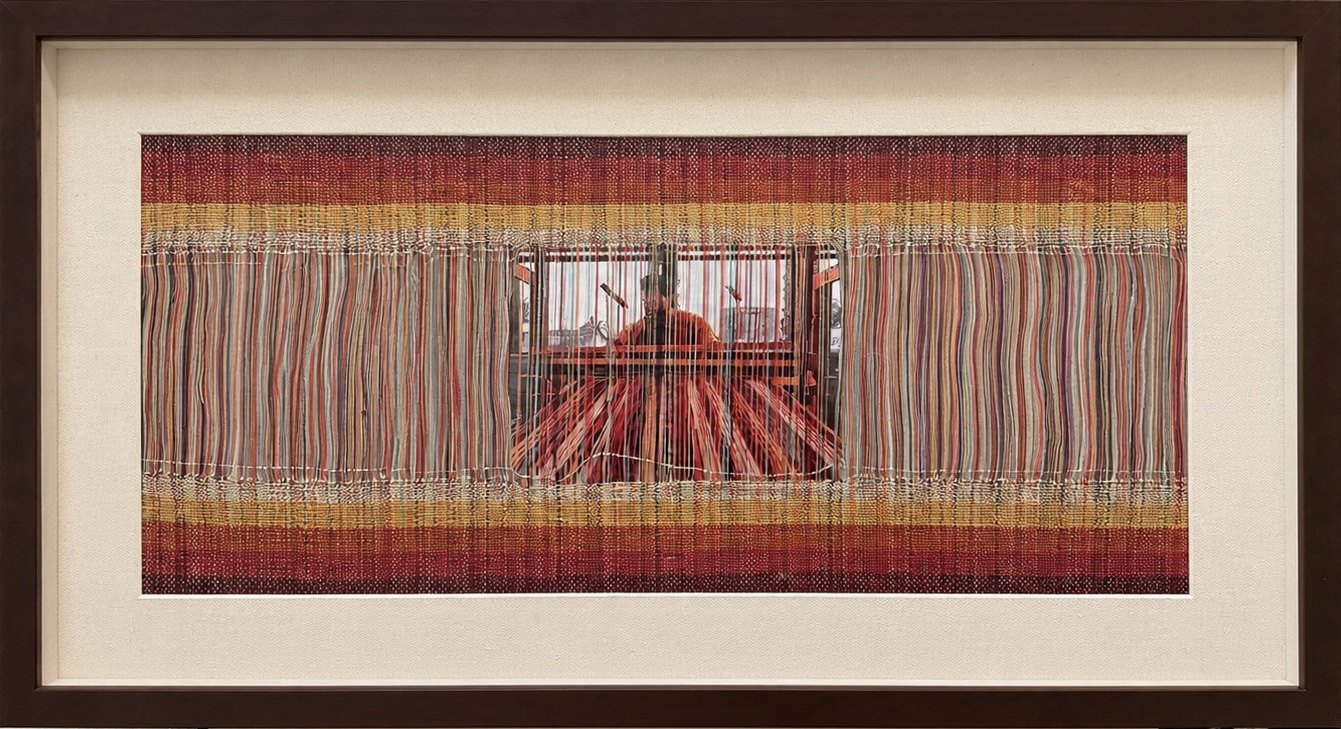
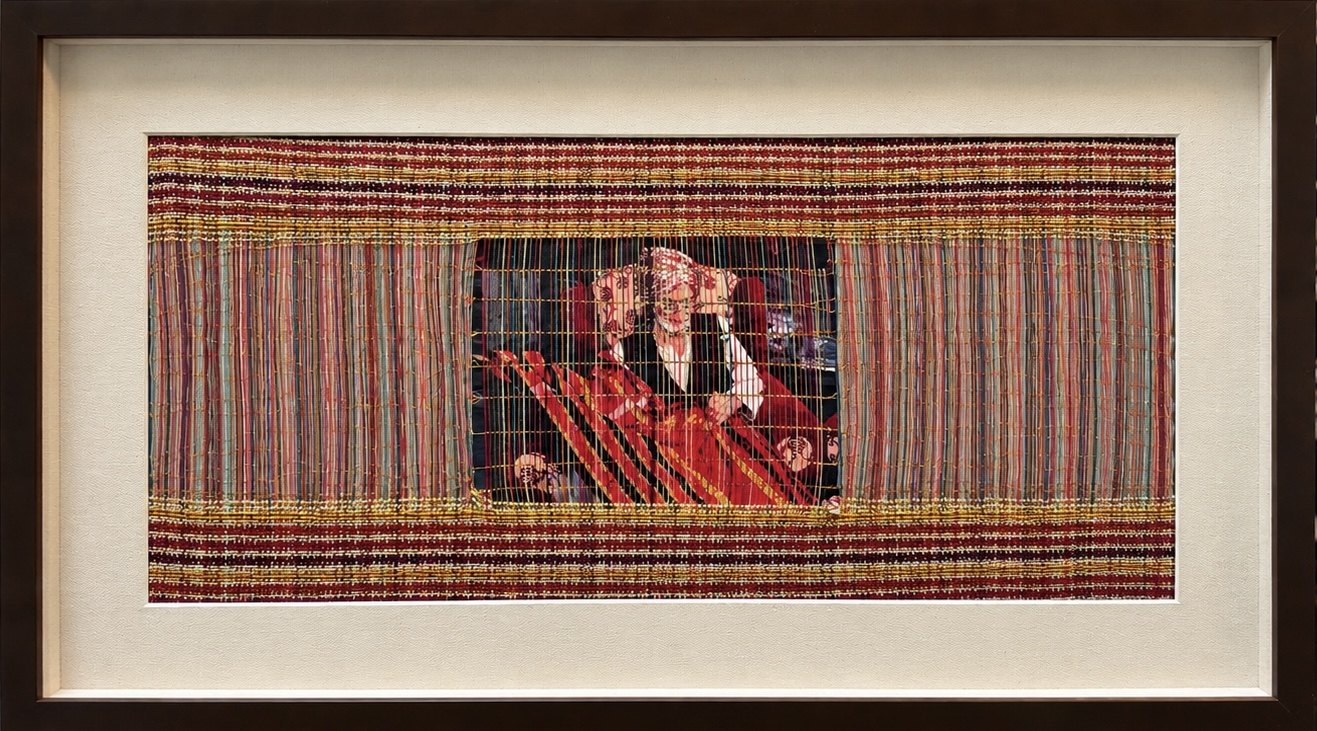
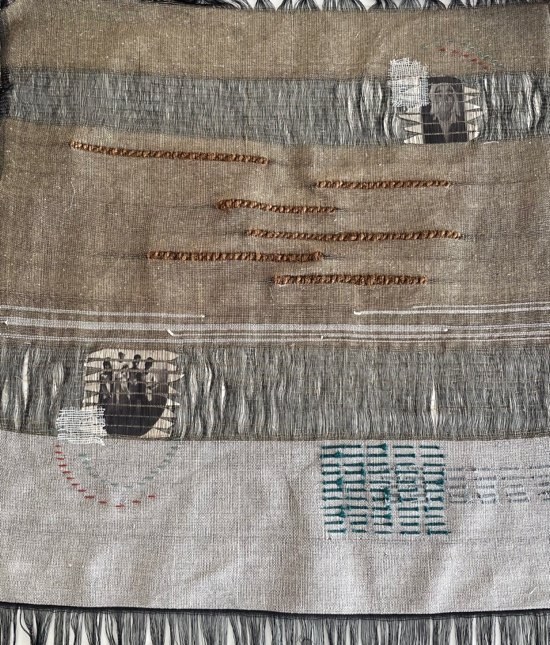
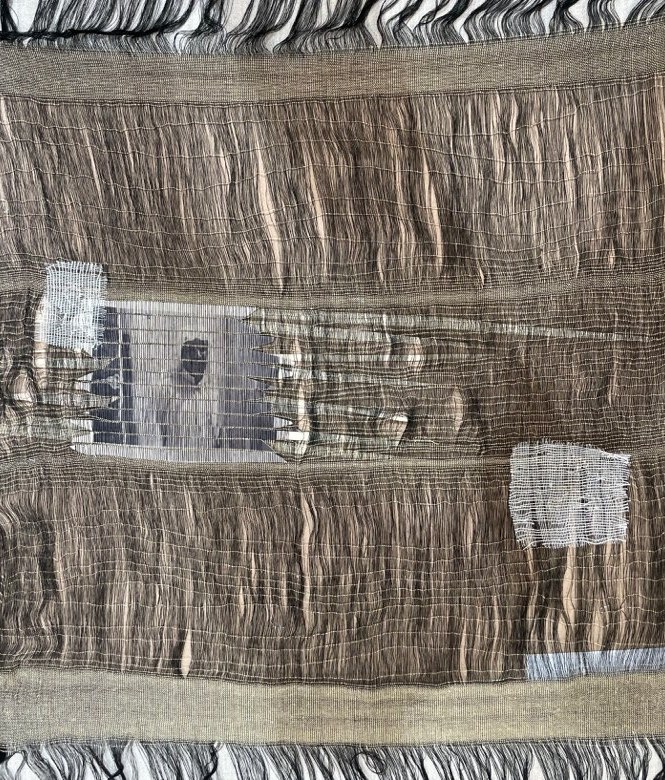
This artwork explores weaving as a way of preserving memory, identity, and human connection. Inspired by the textile traditions of Bani Jamra, the series combines woven fabric with photographs documenting the people, gestures, and processes behind this enduring craft.
Partially covered by threads, the photographs reveal faces, hands, and tools, reflecting how memories can fade, fragment, yet remain with us.
The threads become a link between generations, carrying the knowledge, stories, and traditions of those who came before. By weaving directly over the photographs, the work highlights how heritage lives not only in records and archives, but also in materials, gestures, and the act of making.
What the Threads Remember reflects on continuity and the lasting presence of the past. Each thread holds a trace of a person, a place, or a moment, keeping the stories of this living tradition woven into the present.
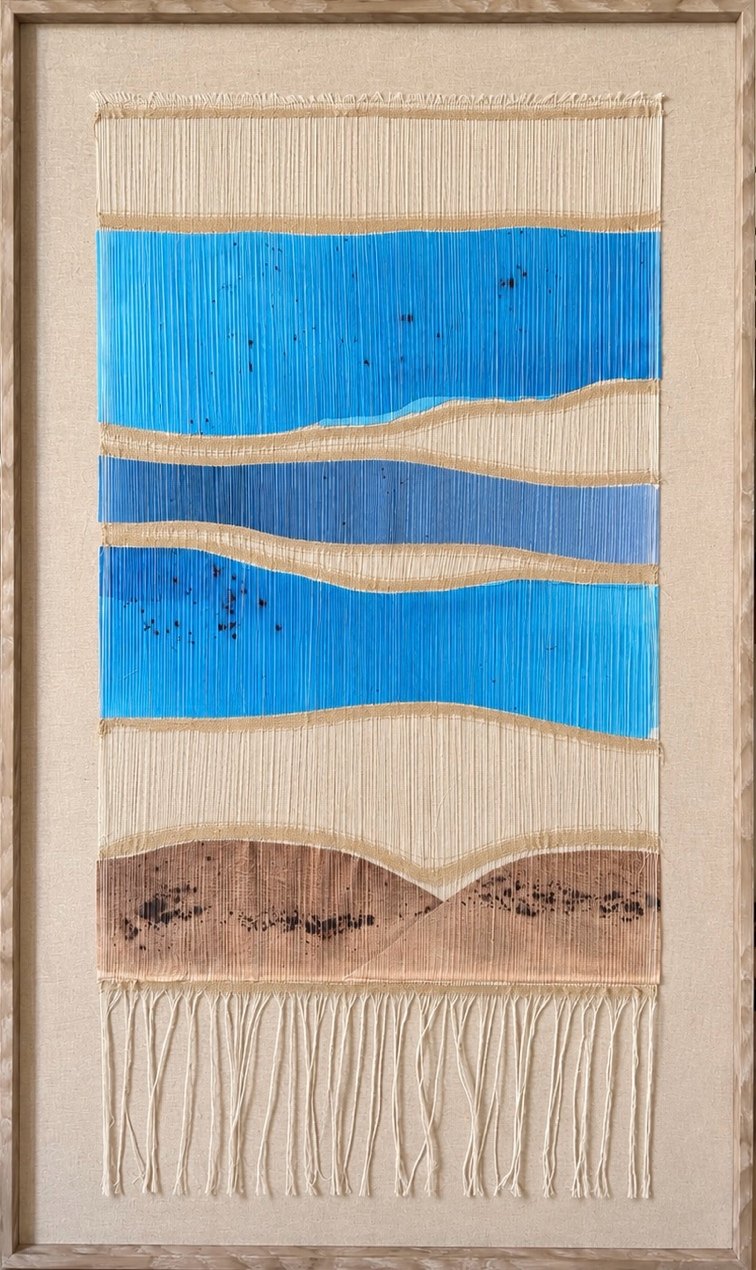
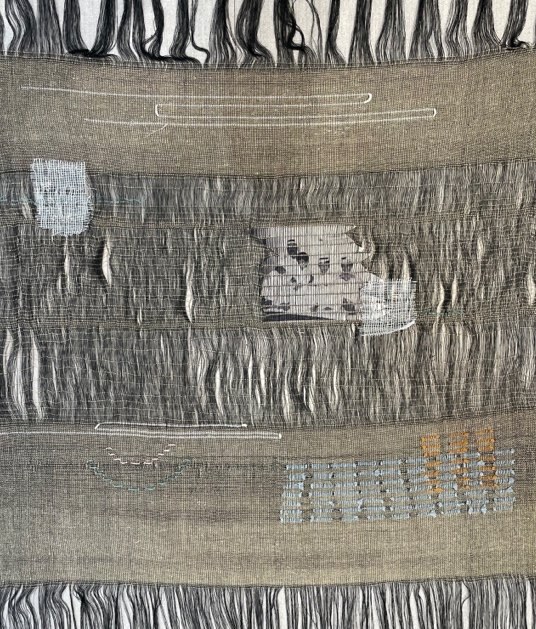
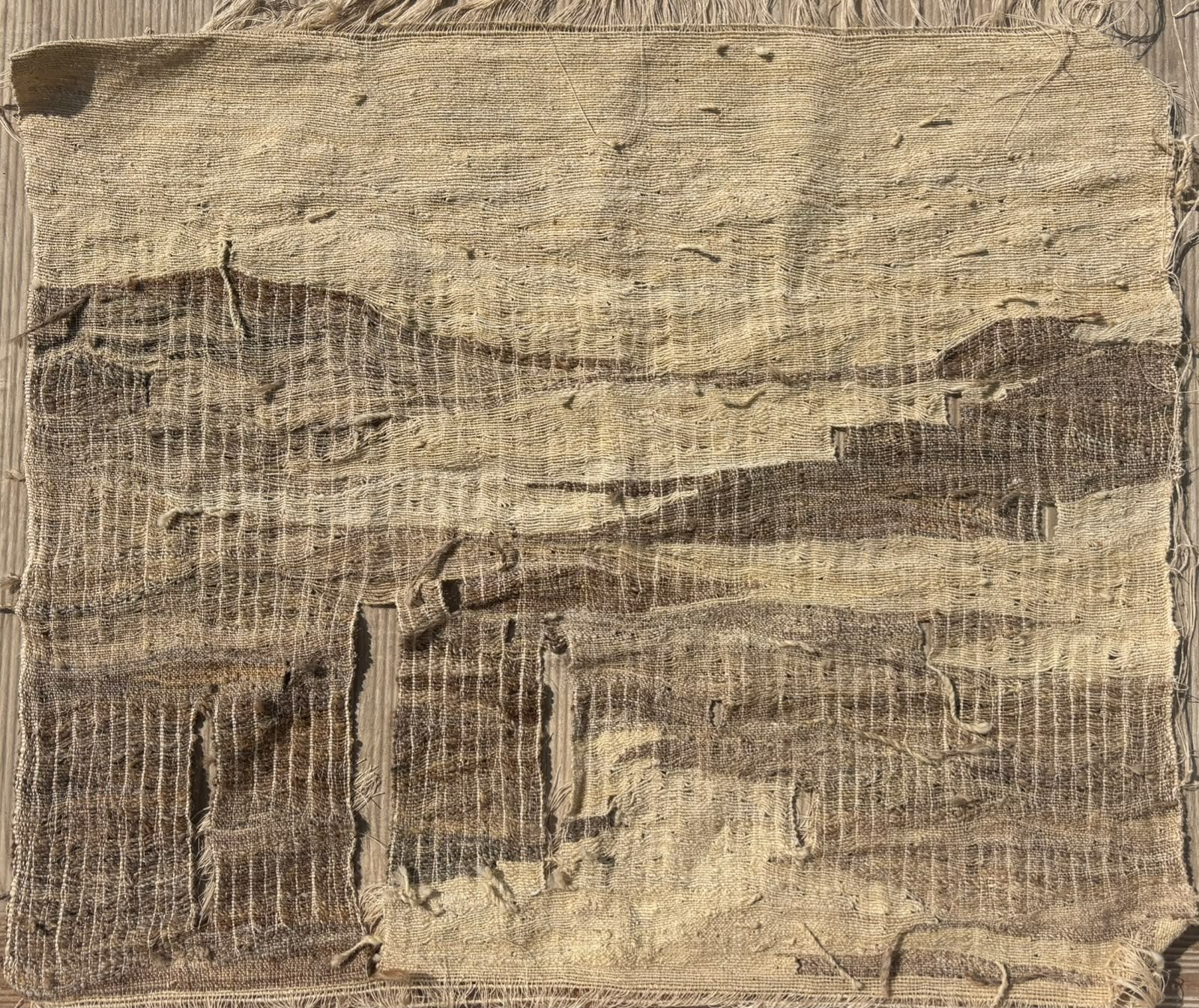
Rooted in the rich textile heritage of Bani Jamra, Bahrain, Woven Horizons explores the relationship between traditional weaving, nature, and time.
Inspired by the rhythmic movements of the loom, the series transforms handwoven textiles into abstract landscapes. Flowing colours evoke distant horizons, coastal waters, and layers of earth, while the threads embody the hands, stories, and generations that have preserved this centuries-old craft.
Through colour, texture, and movement, the works bridge traditional craftsmanship and contemporary artistic expression. Irregular lines, subtle imperfections, and exposed threads celebrate the human touch, revealing the traces of the making process within each woven surface.
Woven Horizons pays tribute to the artisans of Bani Jamra and reflects on the enduring relationship between people, place, and tradition. It invites viewers to look beyond the surface of the fabric and discover the stories, memories, and histories woven into every thread.
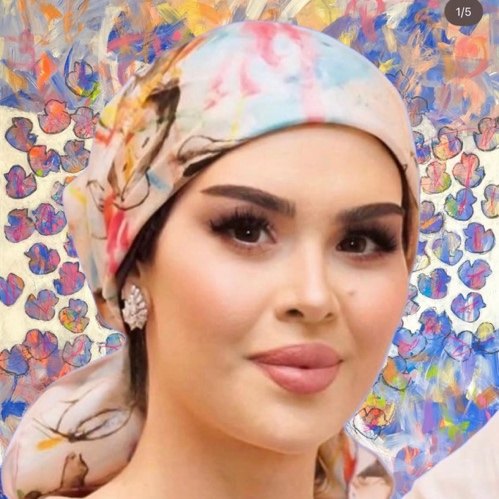
Between Two Times
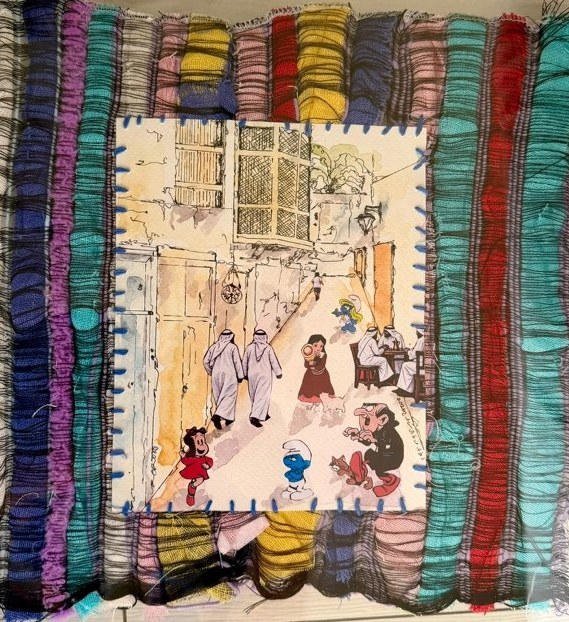
There are places we have never lived in, yet somehow carry within us, and characters we have never met, yet they became part of our childhood and our stories.
I have always believed that memory makes no clear distinction between what we have lived and what we have imagined. Anything that leaves a mark on us becomes part of who we are.
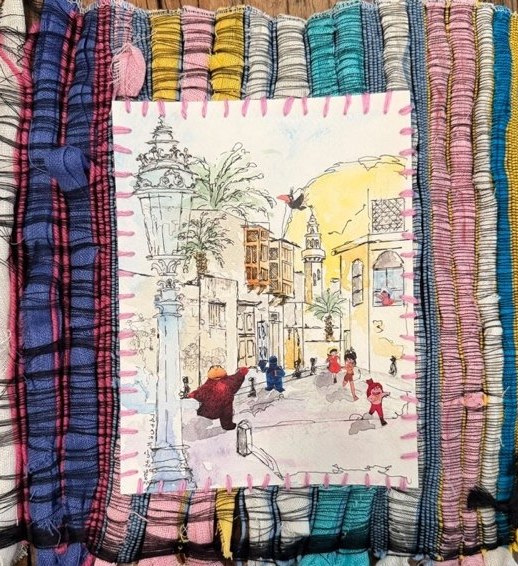
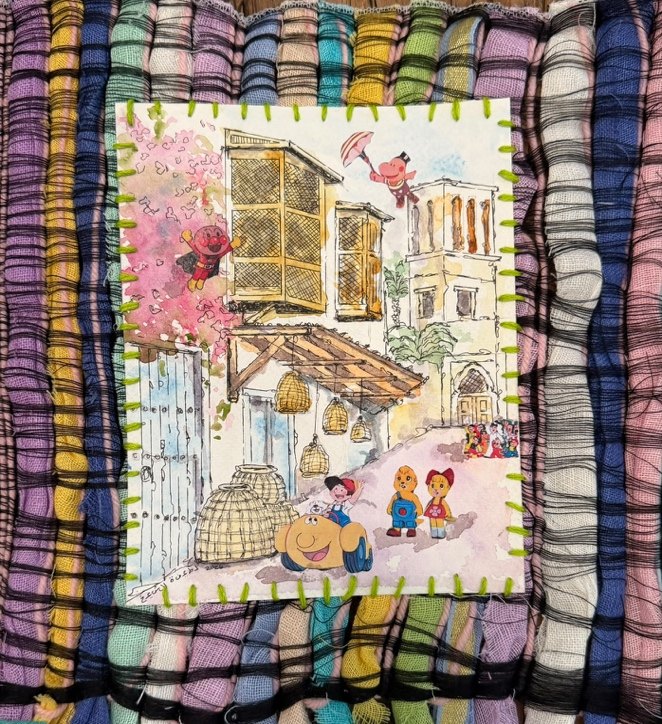
In this collection, I brought together two worlds close to my heart: the old streets of Bahrain, with their wooden doors and houses holding generations of stories, and the cartoon characters that filled our childhood with laughter and wonder. I placed them in those familiar streets, as though they had always belonged there.
Hand weaving became the language connecting these worlds, alongside watercolor, collage, and embroidery. Just as threads intertwine to create a single fabric, our memories are woven from what we inherit, experience, and imagine.
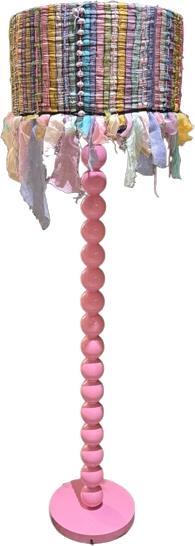
In the sculptural floor lamp, the threads move beyond the canvas and become part of the light itself, carrying the colors of the past into the warmth of the present.
These works are not about returning to the past, but celebrating what remains of it within us, and finding new ways to bring it to life.
Because some memories do not end when their time has passed. They continue weaving themselves into our lives, quietly becoming part of who we are today.
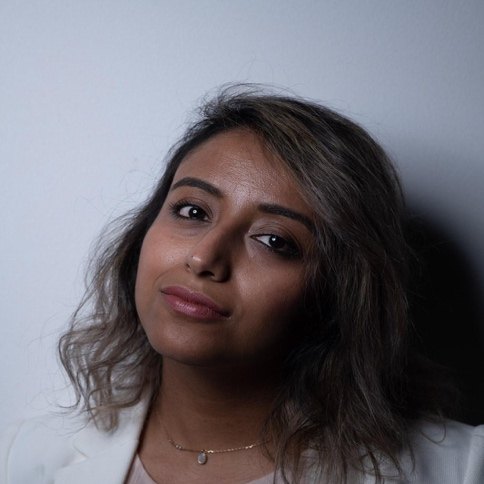
Before It Frays
Born from intimate conversations between the artist and her father, now in the early stages of dementia, this work considers memory as the architecture on which a person’s identity is built. Weaving becomes its language: a slow, repetitive gesture that mirrors the way memories cross one another, loosen, unravel, and at times fall away.
Into the fabric, the artist stitches symbols of the roles her father has carried throughout his life, as provider, guardian, and protector, tracing a life thread by thread. In doing so, the work asks what we choose to hold on to, what we must reach back to recall, and which moments in time still wait to be mended.
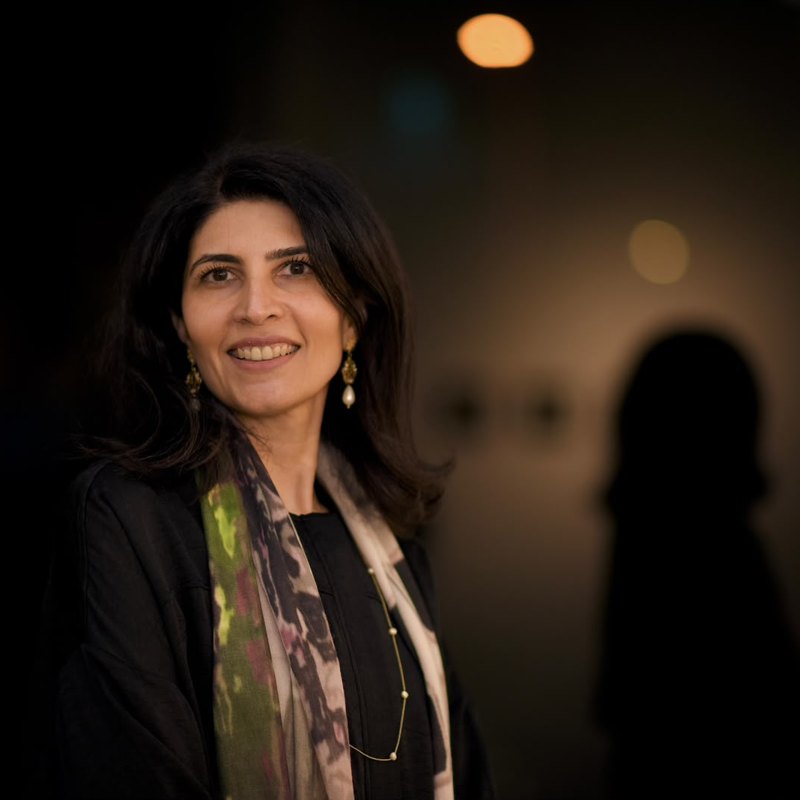
Passage
We change quietly, until one day we find the journey woven into us, and ourselves closer to a life that feels like our own.
I listened to the threads and followed where they led, until my passage and theirs became one, and I no longer knew which of us was leading the other.
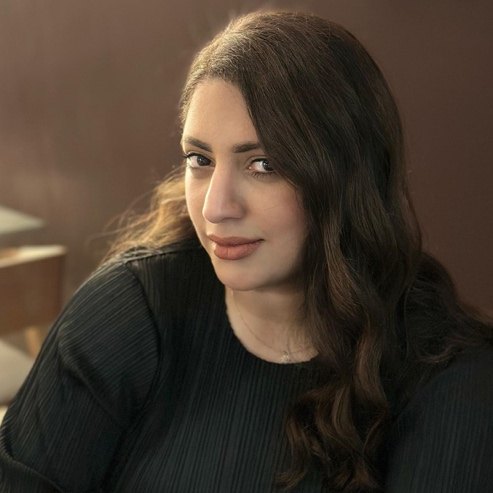
Solid and Soft
The artwork Solid and Soft explores the relationship between weaving, hand stitching, and the repurposing of discarded materials. Pieces of a car hood are shaped into a flower, creating a dialogue between the material’s industrial solidity and the delicacy of its form, while giving the material a new life and aesthetic meaning.
The work represents a journey of experimentation and discovery, allowing me to explore the possibilities of hand weaving and gain a deeper understanding of its techniques through direct engagement with materials, observing the interlacing of threads and how weaving methods influence the final composition.
Sharing this experience with fellow artists also created an opportunity for collective learning and the exchange of knowledge and skills. This interaction deepened my understanding of weaving techniques and opened new possibilities for experimentation and collaborative creativity. Ultimately, the work highlights art’s ability to transform and reinterpret materials, while demonstrating how shared experiences weave connections that enrich artistic practice.
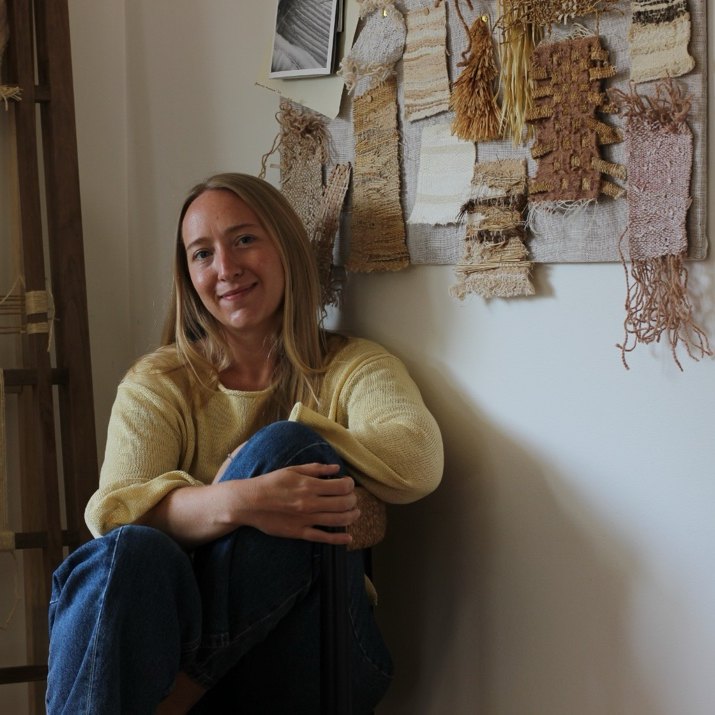
Form
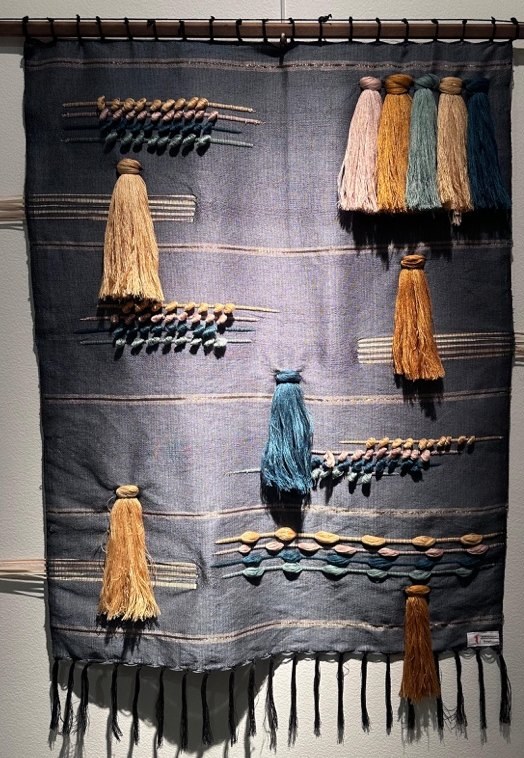
The artwork is handwoven on a pitloom working with different types of natural handspun wool which has been sourced from Saudi Arabia. I have worked with the warp and weft with create subtle textures and layers through the natural wool to weave a fluid organic artwork. I have been inspired by the layers, forms and tones recorded through rock formations that I have seen across bahrain and along coastal areas.
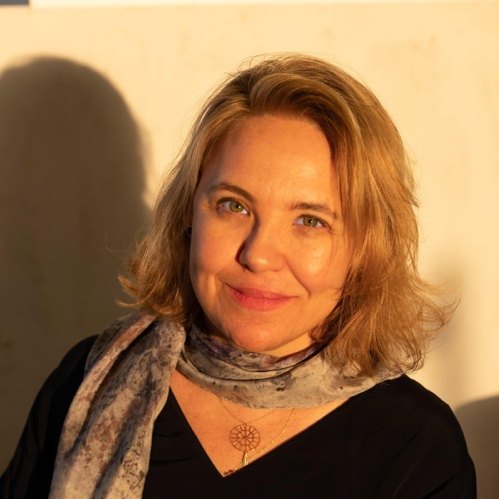
The Space Between
Having lived across countries and cultures, I often think about what it means to belong. Home, for me, holds more than one place. The landscapes, relationships and experiences that have shaped me stay with me, even as my life changes.
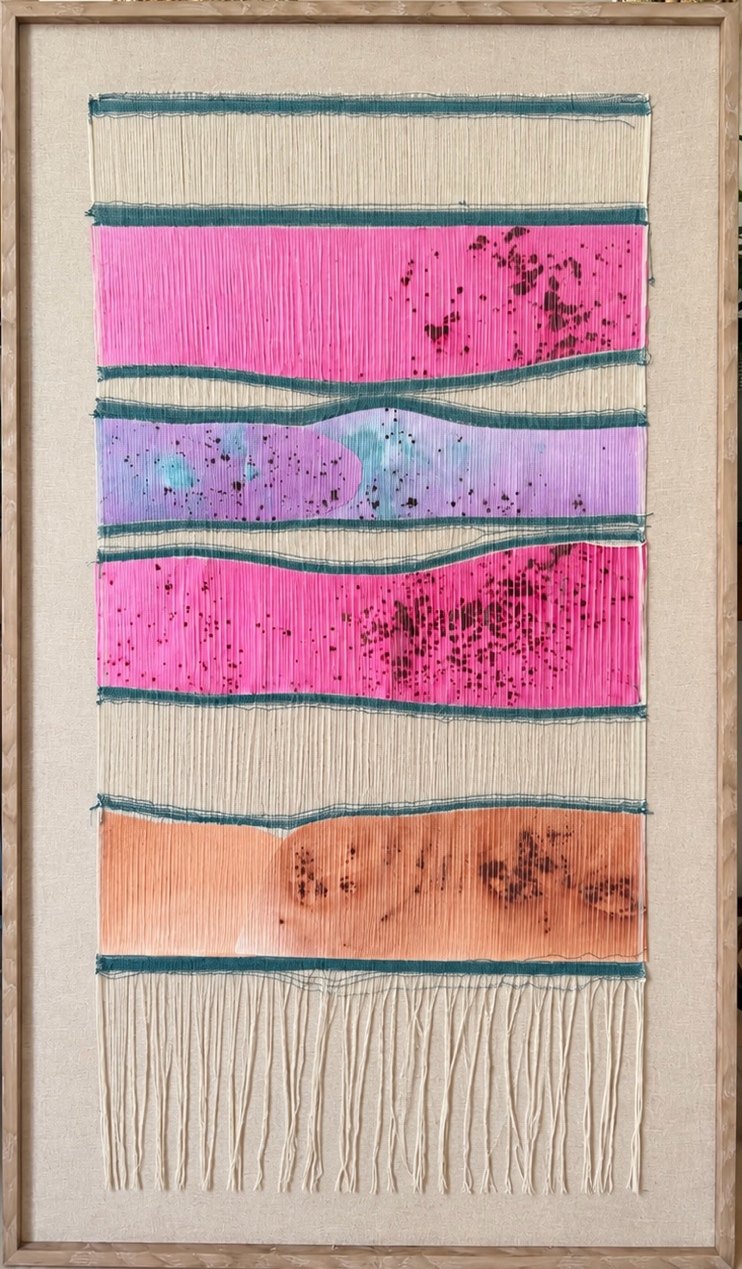
In this piece, I bring fragments of naturally dyed cloth into the weave. They come together, but each keeps its own character. I’m interested in how cloth can hold a sense of time and place through the colours and marks left by plants and rust. Working these fragments into the weave adds to their history.
I am drawn to the softness and vulnerability of cloth, and how it holds together while remaining open and delicate. The loose threads, uneven edges and gaps feel like part of the work. I recognise something of life in that imperfect, unfinished quality, and how we continue to change, carrying both loss and possibility.
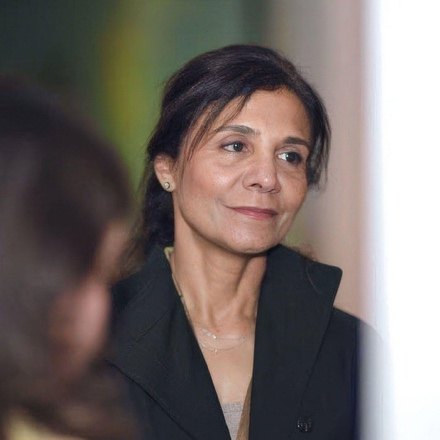
Reading Between the Lines
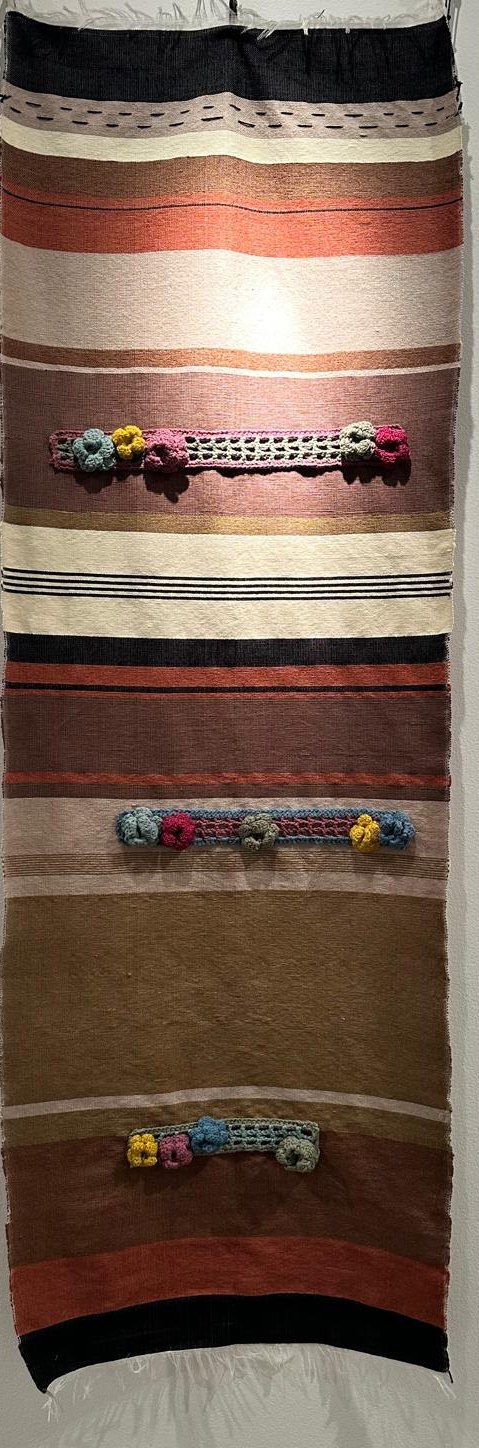
Life often unfolds in familiar patterns, shaped by routine, repetition and the expectations of everyday life. The regular rhythm of woven stripes reflects this sense of order, while hand-crocheted flowers introduce moments of colour, softness and spontaneity. Emerging between the lines, the flowers gently interrupt the repetition, inviting a closer look at what might otherwise go unnoticed. The work reflects on the beauty found in the ordinary, and the small, unexpected moments that enrich our everyday lives.
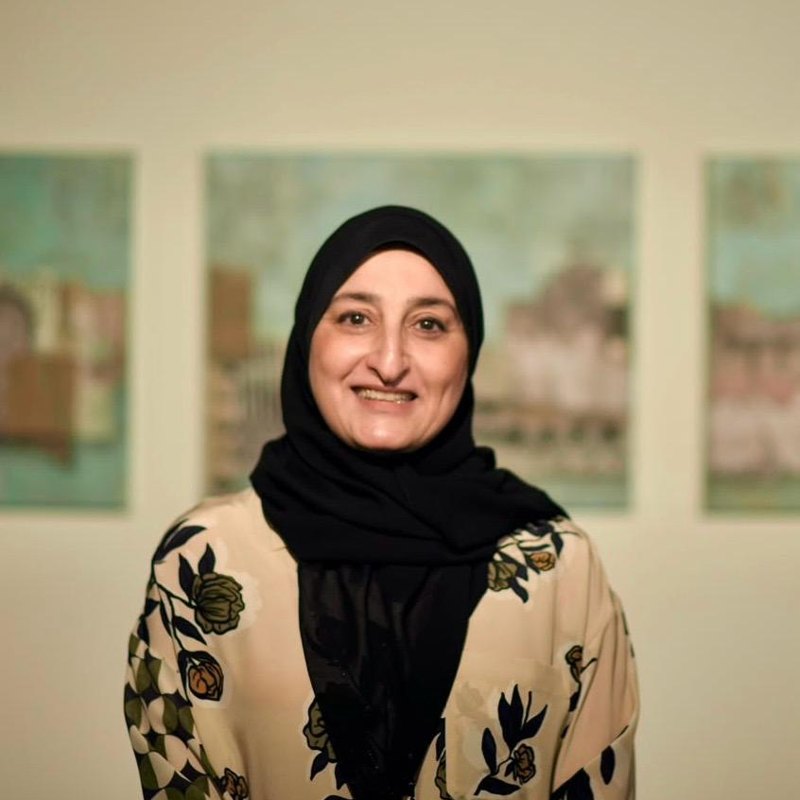
On Textile and Heritage
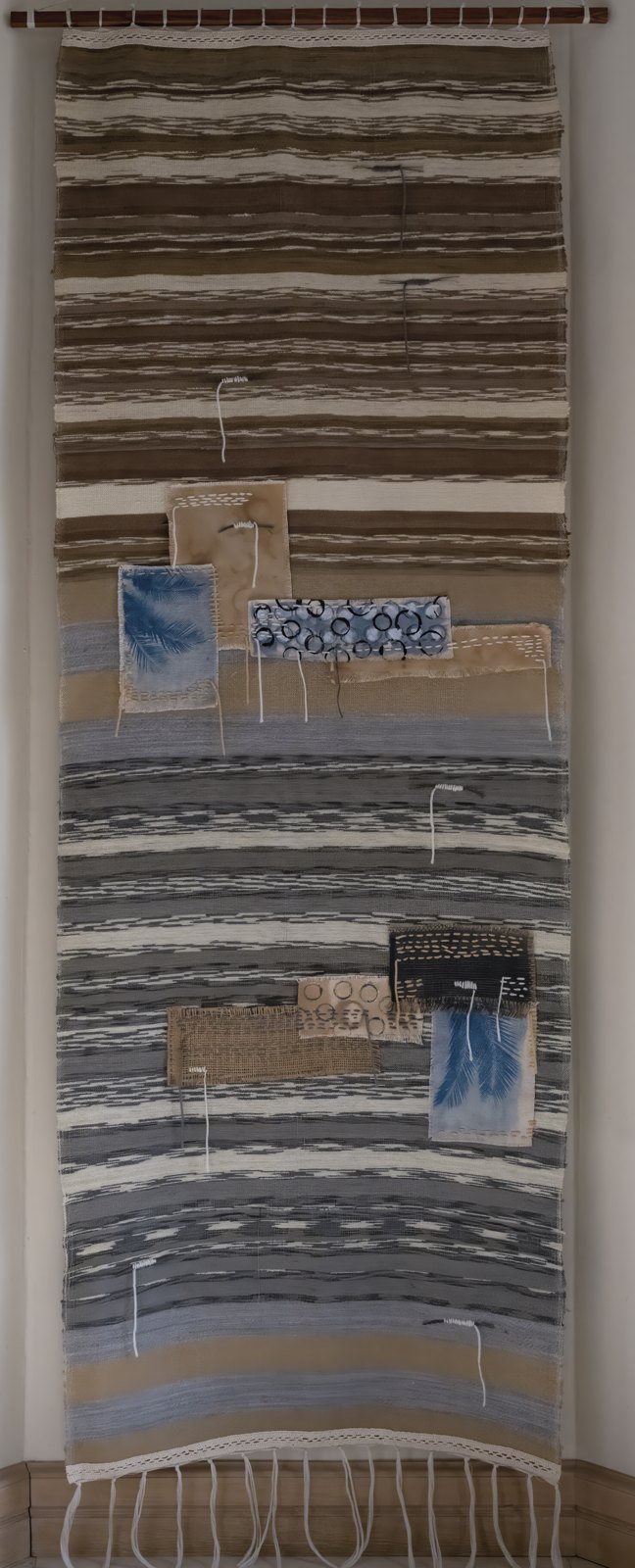
I wove the background of this piece on the traditional looms of Bani Jamrah, using techniques passed down through generations. Learning to work the shuttle by hand, guided by the weavers who continue to practise this craft, gave me a deeper connection to the tradition behind the artwork. It was an expression of learning by practising a craft of lineage, rather than simply being an observer of it.
The warm browns and creams of the weave gradually give way to cool grays. Together, the stripes suggest the meeting of earth and water, recalling the landscape of our island. Onto this woven backdrop, I stitched collaged patches of dyed and painted fabric.
Running stitches secure each piece, while loose, unfinished threads remain visible. These details retain traces of the making process and reflect how heritage continues to evolve through use, repair, and reinterpretation.
At the heart of the work is a palm frond, printed as a cyanotype on canvas. The palm has long been part of life on this land, providing shelter, food, and materials across generations. Alongside it are pieces of burlap, plant-dyed cloth, and stamped circular motifs. These materials and marks draw on the humble materials of local tradepractices bringing them into a new context.
By weaving, printing, and stitching, I bring traditional materials and techniques into a contemporary artwork. The piece reflects my hope of keeping textile history and heritage alive while creating space for new interpretations.
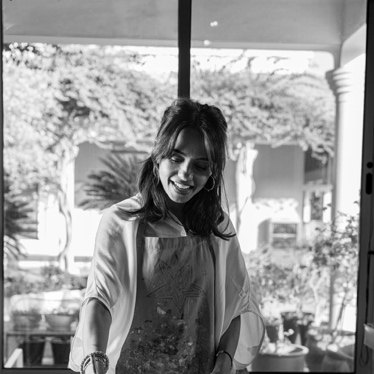
Between Grief and Light: Threads of Identity
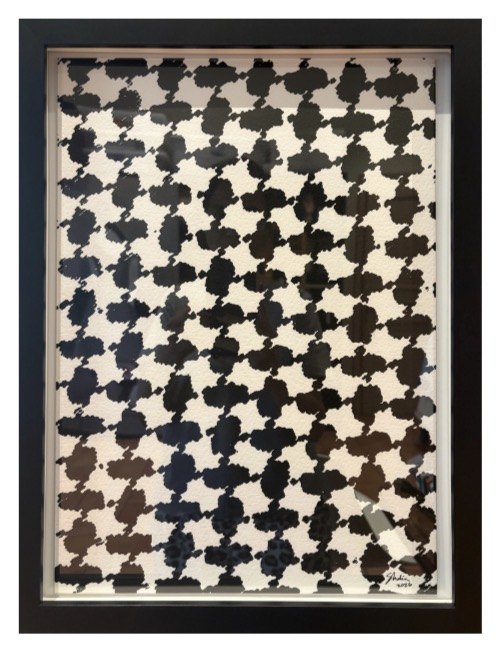
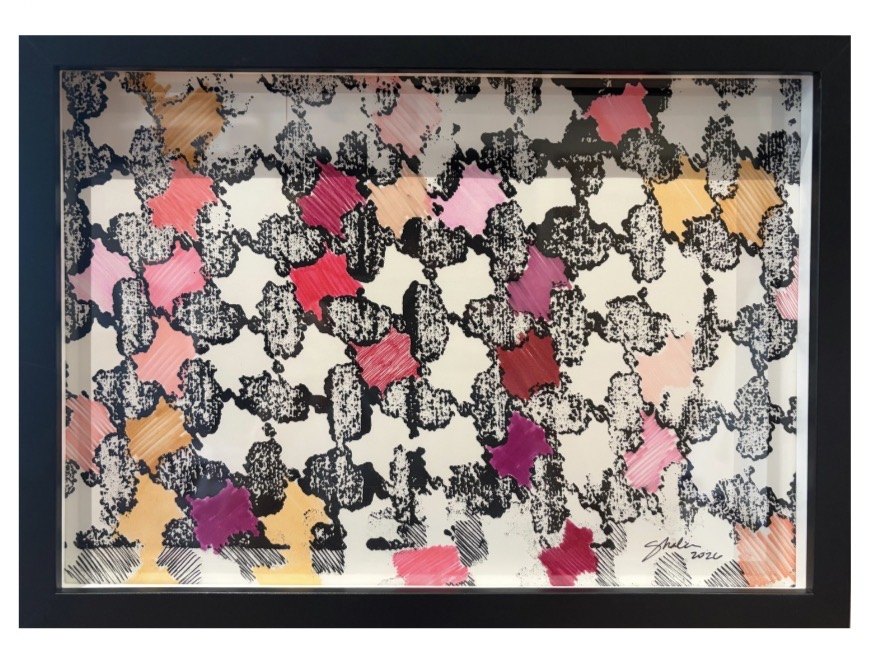
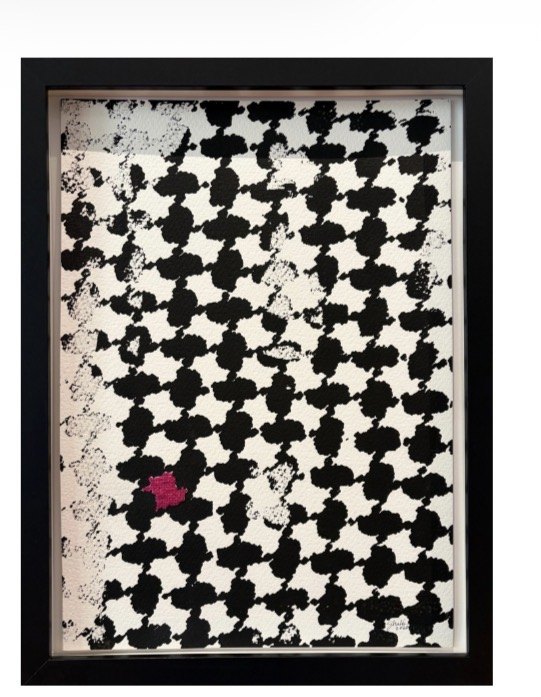
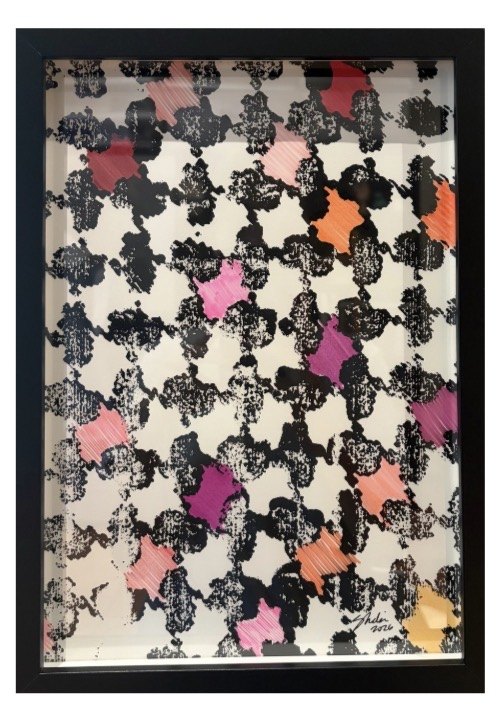
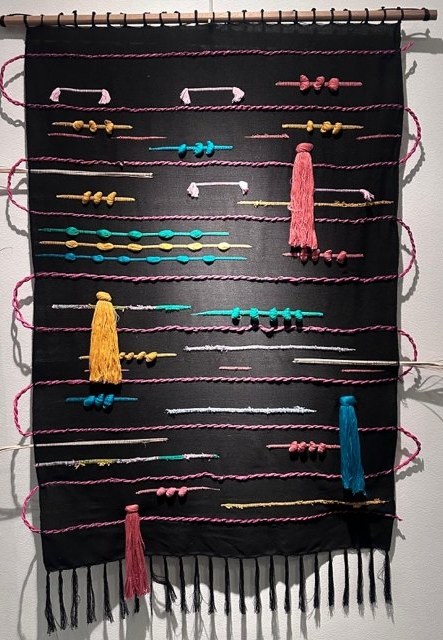
My artistic practice explores identity, memory, and cultural heritage through textiles, printmaking, and hand embroidery. These two works reflect my Saudi and Palestinian roots, drawing on inherited patterns and personal histories that continue to evolve in meaning over time.
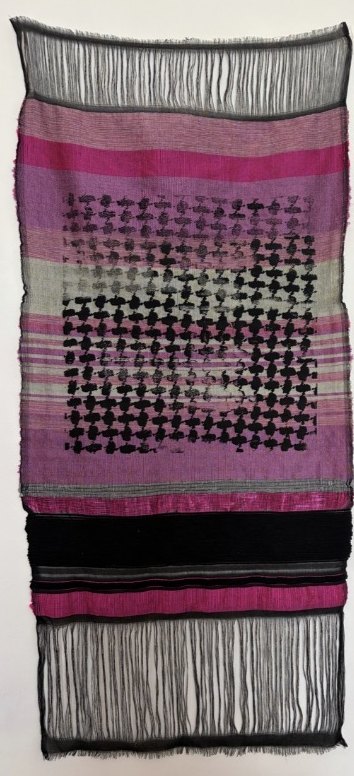
The shemagh motif holds deep personal significance, as it reminds me of my late father. First screen-printed in 2014 at ABCAD AlBareh Printing Studio, while I was pregnant with my daughter Yasmeen, the pattern was originally used in a collection of hand-printed cushions. Revisiting it twelve years later, in collaboration with the weavers of Bani Jamra, became an unexpected journey into memory and emotion.
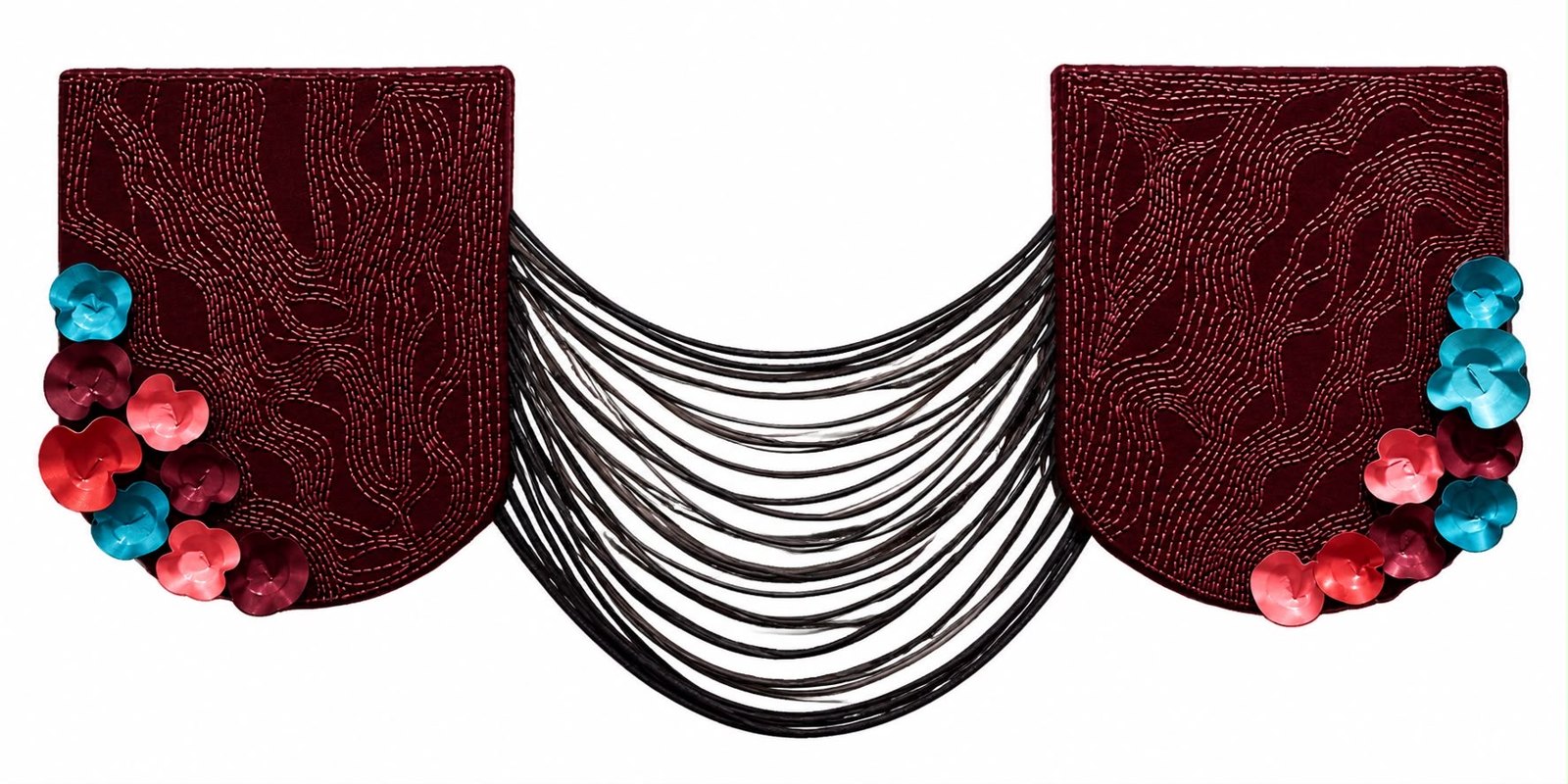
I initially imagined a colourful, light, and playful textile. However, working on a loom prepared with a black warp introduced a sense of darkness into the piece. I continued weaving with shades of pink, a colour I associate with my daughter, whose presence brings light and joy into my life. As the work developed, the contrast between the dark warp and pink weft began to express both grief and tenderness. The exposed warp and variations in density became metaphors for memory: layered, fragmented, and sometimes transparent.
The accompanying screen-printed and hand-embroidered work extends this exploration through my Palestinian heritage. Its geometric patterns evoke the visual language of the keffiyeh, while the embroidery draws on the tradition of Palestinian tatreez and the creative legacy of the women in my mother's family. Their craftsmanship and sensitivity to form have become an essential part of my artistic inheritance.
Together, the works create a dialogue across generations, connecting my father's memory, my mother's heritage, and my daughter's presence. Through repetition, layering, and the physical act of making, they explore how identity is continually woven and rewoven, holding absence and presence, grief and beauty, past and present in a shared space.
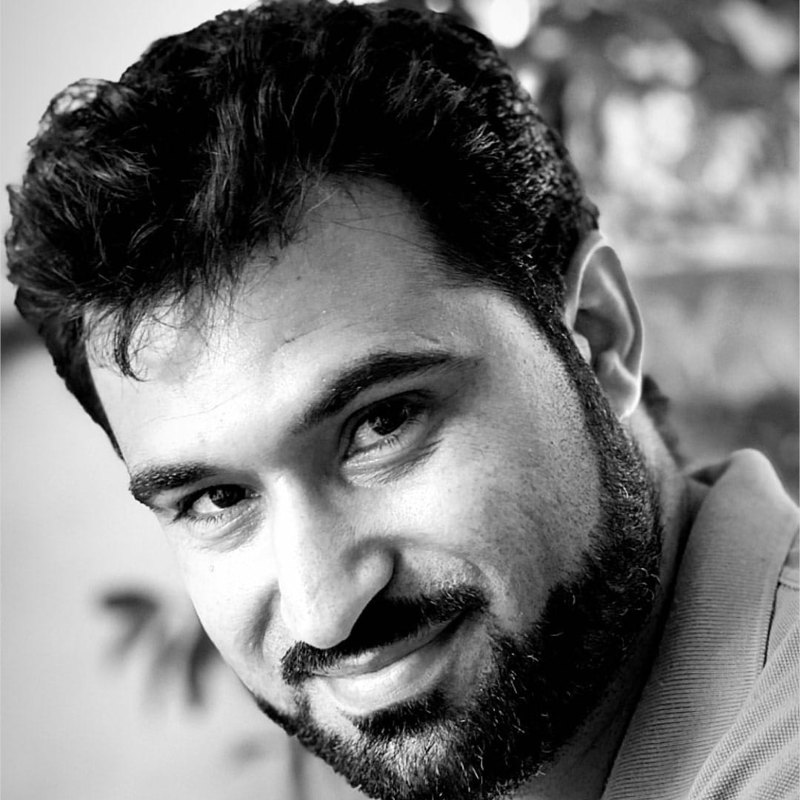
Textile artisan
Craftsman Habib Mohammed Saleh Abdul Redha grew up in a family environment that inherited the craft across generations, and his relationship with it began in his childhood, influenced by his late grandfather Abdul Redha, who had a prominent role in instilling a love for the craft and teaching him its basics.
At the age of thirteen, Habib continued his journey of learning the craft from his father, gaining from him more experiences and skills that contributed to refining his talent and developing his abilities.
Today, Habib has over 25 years of experience, continuing a long-standing family tradition and preserving a craft heritage passed down through generations, combining the authenticity of the past with the expertise of the present.